Have you ever wondered how companies manage and allocate their products between different points of sale? It affects not only sales but also profits and market share.
Allocating products correctly can help a business increase sales, grow and achieve its business goals. However, miscalculations can cost a company dearly, losing customers and incurring unnecessary shipping and storage costs. Recently, shortages of fuel, food and infant formula have all faced product allocation challenges, as they involve financial losses and lost customers.
So how do you manage the product allocation process effectively and succeed in today's competitive market? Let's look at product allocation strategies and best practices for managing a business's distribution network.
Contents
1. What is product allocation?
2. Why is product allocation important?
3. 3 common product allocation strategies and practices from Coca-Cola
4. 8 product allocation methods and practices from Amazon and Nike
5. The benefits and limitations of product allocation
6. 3 product allocation tips for businesses
7. Frequently asked questions (FAQs)
What is product allocation?
Product allocation is the process of managing and distributing a business's products to different points of sale. It includes deciding how many products to allocate to each point of sale, when to distribute them, and optimizing storage and transport.
Product allocation is an important part of inventory management, focused on supplying products in line with demand to fulfill customer orders as efficiently as possible. From a business perspective, proper allocation can reduce the likelihood of over- or under-ordering, both of which can hurt revenue. Deciding where and how many products to allocate to different locations and online sales channels is usually based on a combination of data-driven factors, including past customer data, demand forecasts and seasonal trends.
The goal of product allocation is to make sure products are allocated correctly to meet customer demand, increase sales, maximize profit and strengthen the business's market share. The process also involves defining the product distribution strategy and how to use technology to manage and optimize it.
Why is product allocation important?
Product allocation is part of the inventory management process, tasked with making sure every point of sale is fully stocked with the right quantity of items to meet demand. Whenever a customer is ready to buy a product but faces an empty shelf or an “out of stock” message on the website, the business loses a sale and possibly a customer, who may leave and look for the item elsewhere. Well-managed product allocation also minimizes the cost and number of days needed to ship products — another way to delight customers and get ahead of competitors.
Effective product allocation can help a business increase sales, maximize profit and strengthen its market share. Specifically, some reasons why product allocation matters include:
1. Meeting customer demand: product allocation ensures products reach the right points of sale to meet customer demand, increasing customer satisfaction and trust in the business's brand.
2. Optimizing transport and storage: effective product allocation optimizes product transport and storage, reducing costs and increasing the efficiency of business operations.
3. Increasing sales: accurate product allocation increases sales and revenue for the business.
4. Strengthening market share: proper product allocation helps businesses strengthen their market share by getting products to strategic points of sale.
3 common product allocation strategies and practices from Coca-Cola
A product allocation strategy is a business's overall plan for distributing its products to customers as efficiently as possible. Companies tend to use one of three strategies:
1. Even allocation: distributing the same quantity of products to every point of sale. Also known as universal allocation, it is the most common strategy for growing businesses that may not have large volumes or many product types, or that are just starting out and lack the sales history or data to forecast demand accurately.
2. Trend-based allocation: distributing products based on where they are most popular and sell fastest. With trend-based allocation, a retailer would tend to allocate most of its trendy apparel to one location until the trend catches on in other regions.
3. Seasonal allocation: distributing products based on weather conditions. For example, if you sell sweaters, you might choose to keep most of your stock in cold regions or in winter; if you sell swimwear, you might keep most of it in warm regions.

Product allocation strategies
Important factors when building a product allocation strategy include:
· Analyzing the market and the business's target customers.
· Identifying points of sale and distribution channels suited to the business's products and customers.
· Defining the geographic coverage of each point of sale and distribution channel.
· Optimizing storage and warehouse management so products are distributed in the right quantities at the right time.
· Evaluating and effectively managing advertising and promotions to attract customers and increase sales.
A real-world example of Coca-Cola's successful product allocation strategy
Coca-Cola chose to allocate its products by locality to maximize efficiency and sales. It studied the needs and preferences of each region and point of sale to match its products to them.
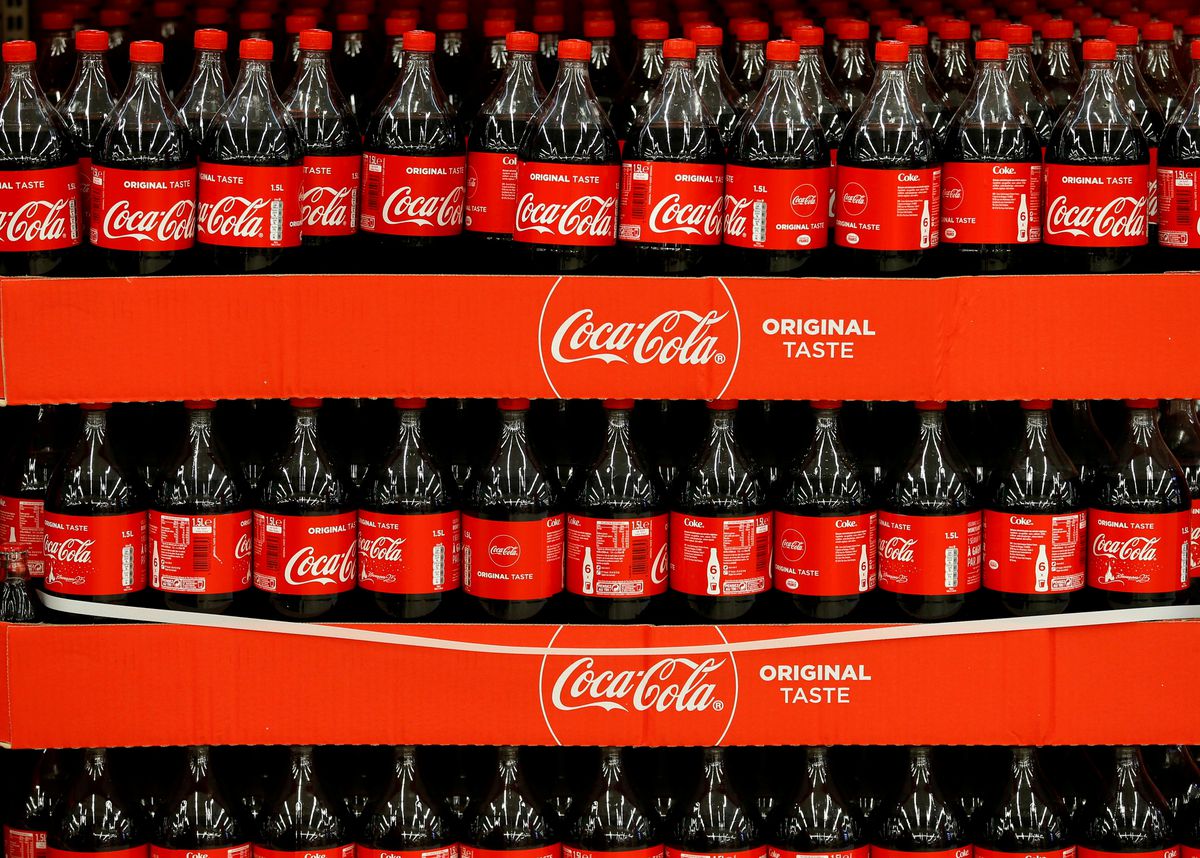
Coca-Cola has been very successful at product allocation
This is reflected in how Coca-Cola offers sugared or sugar-free products depending on local tastes and consumption needs. It also allocates different products to different points of sale, including PET plastic bottles for supermarkets, aluminum cans for convenience stores and premium glass bottles for restaurants and bars.
As a result of this strategy, Coca-Cola has increased sales and maintained a strong market position in the beverage industry. As of 2021, Coca-Cola is one of the best-known beverage brands worldwide, with more than 500 products sold in over 200 countries.
8 product allocation methods and practices from Amazon and Nike
There are many product allocation methods businesses can use to optimize their product distribution, depending on the nature and size of the business. Here are some commonly used methods:
1. Allocation based on sales history: this method uses historical sales data to determine the distribution ratio of products to different points of sale. Products with better sales histories are allocated more to points of sale with higher sales, and vice versa.
2. Allocation based on customer characteristics: this method focuses on the characteristics of customers at each point of sale, such as age, gender, interests and tastes, to determine which products should be distributed more at each location.
3. Allocation based on shipping costs: this method calculates the cost of shipping products from the warehouse to different points of sale and allocates products so that shipping costs are lowest.
4. Allocation based on product classification: this method arranges products into groups based on their properties, size and value. Products in the same group are allocated to the same point of sale to optimize distribution.
5. Allocation by geographic location: considers the geographic and cultural characteristics of each region to allocate products that match customer needs and preferences.
6. Allocation by sales channel: determines the right sales channel for allocating products, such as online sales, in-store sales or sales through dealers.
7. Seasonal allocation: identifies which products are popular in which season and allocates products accordingly.
8. Allocation based on demand forecasts: this method uses demand forecasting tools and software to determine which products will be distributed at each point of sale in the future, based on factors such as shopping trends and customer consumption patterns.
Learn more: The essential guide to inventory planning
A real-world example of Amazon's inventory allocation.
Amazon is one of the world's largest retailers, with millions of products sold worldwide. So Amazon's inventory allocation is very important to make sure goods are available when customers order.
Amazon uses many methods and technologies to allocate inventory, including warehouse management software and location optimization. Amazon's warehouse management software monitors stock levels and sets targets for minimum stock at each ordering point. Its location optimization technology determines the best inventory locations to meet customer demand in each area.
To optimize inventory allocation, Amazon also uses "inventory sharing" between different points of sale. This lets Amazon move goods from one warehouse to another when demand rises or falls in a particular area.
For example, on Black Friday or Cyber Monday, Amazon concentrates inventory in warehouses near major shopping centers, where demand is highest. When the big shopping events are over, Amazon moves this inventory to other areas to meet customer demand there. As a result, Amazon can optimize inventory allocation and meet customer demand quickly and efficiently.
A real-world example of Nike's inventory allocation
Nike is one of the leading companies in footwear and sportswear.
Nike focuses on different distribution channels to meet customer needs in each market.
In the US market, Nike focuses on traditional retail channels such as Foot Locker and Dick's Sporting Goods. In Europe, Nike's strategy is to develop its online channel and its own stores, while partnering with major retailers such as JD Sports, Size? and Foot Locker. In Asia, Nike focuses on its own stores in key markets such as China, Japan and South Korea.
Nike also focuses on allocating products by product line. For example, the Jordan line is distributed mainly through retail stores, while the Nike Running line is distributed mainly through the online channel and Nike's own stores.
In addition, Nike uses advanced technologies to track and analyze data on customer buying behavior. This helps Nike allocate products accurately and meet the needs of each market and each specific customer group.

Nike is also one of the companies with a successful product allocation strategy
To meet market demand, Nike has applied several product allocation methods:
1. Allocation by location: Nike allocates its products to retail stores around the world. With the development of technology, Nike has also expanded its online channel to reach customers worldwide.
2. Allocation by time: Nike usually launches new products in spring and autumn, with special products released for holidays. Nike also runs discounts and promotions during holidays to attract customers.
3. Allocation by customer group: Nike allocates its products to different customer groups, including athletes and everyday consumers. Nike products are designed in many styles and colors to suit the preferences of different groups.
4. Allocation by geographic region: Nike allocates its products to different regions of the world, with products designed to meet the needs of each region. For example, Nike has launched special product lines for the Asian market, with designs and colors suited to consumer preferences in the region.
Statistics on the benefits of product allocation
Many statistics show the benefits of proper product allocation. Here are some examples:
1. Higher sales: research by analytics firm Nielsen shows that proper product allocation can increase sales by up to 10-20%.
2. Lower storage costs: miscalculating product quantities leads to unnecessary storage costs. According to Forbes, some businesses have cut storage costs by up to 50% after improving their product allocation.
3. Optimized shipping costs: proper product allocation optimizes shipping costs. For example, if products are allocated correctly to the target market, shipping costs are lower than when they are allocated incorrectly.
4. Better forecasting: proper product allocation improves a business's ability to forecast products and revenue. When a business knows which products sell best, where and when, it can forecast, prepare products and manage inventory.
5. Better customer experience: proper product allocation makes products easy for customers to access, improves the ability to meet customer needs and enhances their shopping experience.
The limitations of product allocation
Product allocation is not without challenges; although software can overcome them, some situations can still affect product allocation:
Demand spikes
Even the best forecasters can't predict when demand for some products will spike. Keeping safety stock to avoid stockouts can help keep the business running until replenishment arrives, although the amount of safety stock must be balanced against the related carrying costs. Products can also be reallocated from one location to another if the spike is confined to a specific area.
Product shortages
Like demand spikes, a sudden drop in supply can quickly deplete inventory. Many situations can lead to product shortages — such as the supply chain problems related to the COVID-19 pandemic — and many of these factors are beyond the business's control. Again, safety stock and reallocation can help. At other times, a business may choose to limit the number of products customers can buy at once to spread the available stock more fairly.
Unreliable data
Product allocation mistakes often stem from decisions based on inaccurate or outdated data on stock levels and forecast demand. Automated, real-time inventory management software keeps stock levels transparent and accessible and provides accurate information everywhere, from the largest warehouse to the corner of the smallest shelf.
Khám phá ngay: The best way to manage inventory accurately and visually in real time
3 product allocation tips for businesses
Every business has its own requirements and constraints. Moreover, factors beyond its control, such as product shortages or weather events like storms, can shake even the most carefully considered strategy. However, businesses can rely on the following three best practices when deciding on product allocation:
Rely on demand data:
Demand planning combines sales forecasts with past sales data, consumer trends and seasonal information to help determine optimal stock levels, whether across many distribution points or just one store. To be most effective, demand planning should be a continuous process based on real-time data analysis. For new companies, studying how similar products perform in their industry can help predict initial demand.
Monitor stock levels continuously:
Continuously monitoring stock levels helps ensure there is enough supply to meet customer demand and determine whether reallocation is needed. This is also important in the supply chain, as stock levels can signal when more products need to be made or when production should be paused.
Automate with inventory management software:
As a business grows and expands, tracking inventory manually becomes less practical and increasingly error-prone. Leading inventory management software automatically tracks product levels in real time across many locations and sales channels to ensure products are always available and properly allocated. SmartBiz smart warehouse management software provides complete, visual, real-time visibility of product levels at every location where the company sells. The company can therefore proactively monitor its stock levels to ensure product availability matches customer demand. It alerts you when product levels fall below predefined thresholds, automates replenishment and supports demand planning.
Frequently asked questions about product allocation (FAQs)
What does allocation mean in manufacturing?
In manufacturing, allocation means requisitioning parts and reserving the right quantities of materials such as raw materials, components and work in progress at the appropriate facilities before products are made.
What is an effective way to allocate products?
Demand forecasting is one of the most effective ways to allocate products better to meet demand across your channels and distribution centers.
Learn more: The essential guide to inventory planning
How do you measure the effectiveness of product allocation?
To measure the effectiveness of product allocation, you can use metrics such as profit margin on sales, inventory ratio, return rate and shipping cost ratio. For specific allocation strategies, you need to define suitable metrics and track them to evaluate effectiveness. You should also review the strategy regularly and adjust it if necessary to keep product allocation effective.